Refresh Your Space: The Best Contemporary Roof Lanterns for Natural Illumination
In modern architecture, skylights stand out as vital elements that improve both aesthetics and functionality. They serve as a bridge between interior and exterior spaces, enabling natural light to pour into areas that often lack brightness. With various designs on offer, property owners can select choices that fit their distinctive aesthetic and energy efficiency requirements. As one examines the advantages, it becomes clear that these installations can significantly transform any residential area.
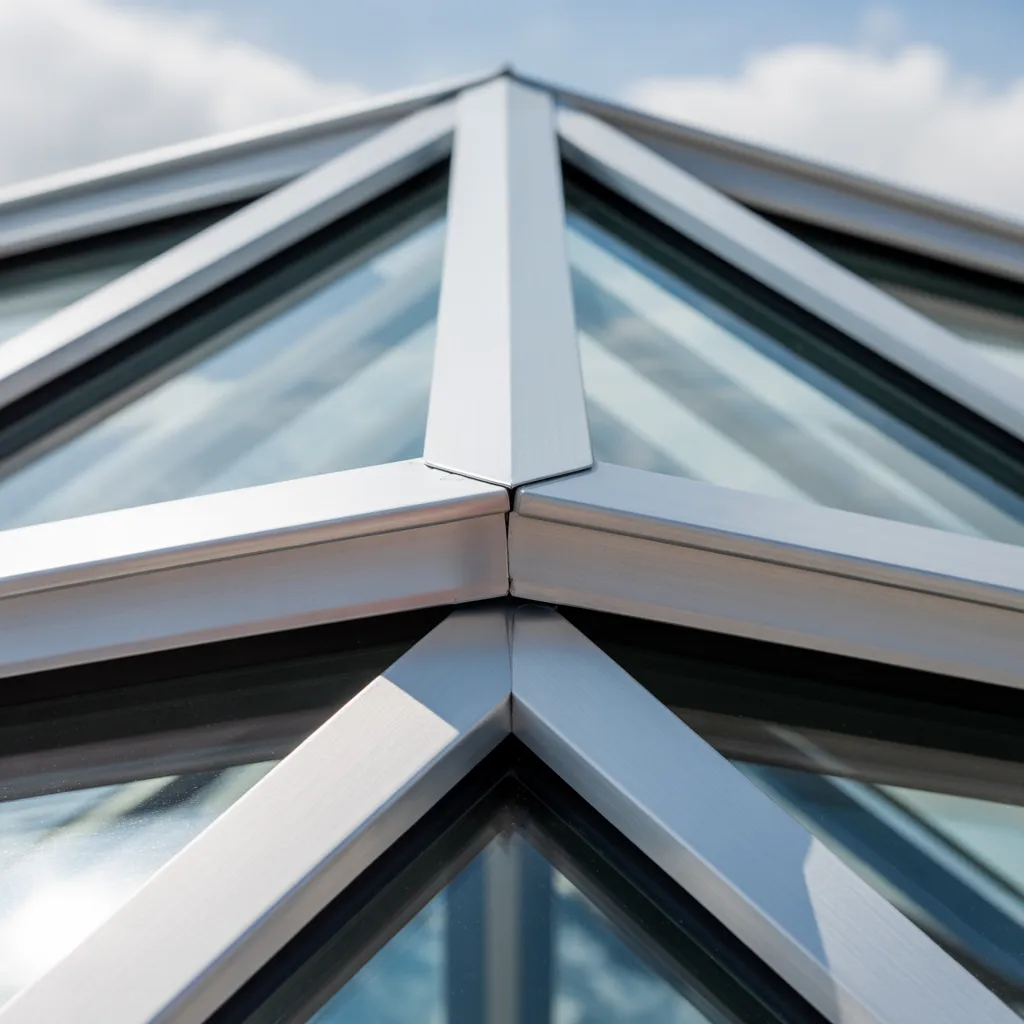
Why Opt for a Roof Lantern for Your Residence?
When homeowners consider enhancing their home environments, opting for a skylight lantern can greatly change the ambiance. These architectural features not only offer an stylish focal point but also flood interiors with daylight, establishing a feeling of spaciousness. Skylight lanterns are particularly effective in dimly lit spaces of comprehensive article a home, such as hallways or extensions, where they can drastically enhance the overall atmosphere.
Moreover, roof lanterns maximize energy conservation by minimizing the demand for artificial lighting during the day. This can produce lower electricity bills and a reduced carbon footprint. Additionally, these structures can enhance property value, appealing to potential buyers who favor modern and stylish design elements. Their versatility allows homeowners to pick various styles and materials that complement their existing architecture, making roof lanterns a preferred choice in contemporary home design. Overall, the addition of a roof lantern can boost both aesthetics and functionality.
Key Elements to Review When Selecting Modern Roof Lanterns
Picking modern roof lanterns involves careful consideration of several important features to guarantee they meet both aesthetic and practical requirements. First, the size and shape of the lantern should match the architectural style of the home while ensuring sufficient light diffusion. Material choice is crucial; options like aluminum or timber can offer durability and weather resistance.
Additionally, energy efficiency is an crucial consideration; choosing lanterns with double-glazed glass can enhance insulation. The simplicity of setup and upkeep should also be assessed, as some models may require more work than others.
Ultimately, examine the stylistic options, such as frame styles and color finishes, which can greatly influence the overall ambiance of the space. By concentrating on these important elements, homeowners can make informed decisions that elevate both the beauty and utility of their living spaces.
Compare the Best 5 Modern Roof Lantern Designs
When examining the top five modern roof lantern designs, consideration should be paid to their visual attractiveness and range of design options. Furthermore, the durability of materials and the standard of surface treatments play an essential role in the total worth of these structures. Analyzing these aspects can assist property owners choose wisely that align with their stylistic choices and functional requirements.
Design Aesthetics and Styles
Although roof lanterns serve a practical purpose of lighting spaces, their design aesthetics have changed significantly, making them a focal point in modern architecture. The top five modern roof lantern designs display a variety of styles, from simple geometric shapes to intricate, contemporary patterns. Sleek, flat designs often feature large glass panels, boosting daylight while maintaining a low profile. Conversely, more ornate lanterns exhibit artistic detailing that add character to any room. Some incorporate raw materials, blending metal frames with glass for a striking contrast. Each design reflects current trends, emphasizing the balance between appearance and utility, ultimately transforming spaces into bright retreats that invite both natural light and visual interest.
Material Resistance and Treatment
Durability serves as a key factor in the choice of modern roof lanterns, as the materials used directly influence their longevity and maintenance. Among the top five designs, aluminum and stainless steel stand out for their immunity to corrosion and weathering, ensuring longevity in various climates. Glass options, often tempered or double-glazed, provide excellent insulation and UV protection, although they require careful handling to prevent breakage. Additionally, powder-coated finishes enhance metal durability and offer a variety of aesthetic choices. Wood, while visually appealing, demands regular treatment to resist moisture and pests. Overall, the combination of robust materials and quality finishes greatly affects the practicality and lifespan of roof lanterns, making informed choices vital for homeowners.
Installing Your Roof Lantern: A Detailed Guide
When installing a roof lantern, choosing the proper spot is crucial for maximizing natural light and aesthetics. Additionally, keeping necessary equipment and supplies ready ensures a seamless installation process. This guide will outline the necessary steps to achieve a successful installation.

Finding The Best Location
Selecting the ideal placement for a roof lantern can greatly enhance both daylight and aesthetic appeal within a room. It is essential to take into account the orientation of the room, as south-oriented setups typically optimize light penetration throughout the day. Additionally, assessing the surrounding structures is vital; nearby trees or buildings may obstruct light and reduce performance. The roof pitch should also be examined, ensuring the lantern sits at an ideal angle for light entry. Moreover, it is recommended to place the lantern away from areas prone to heat loss, such as poorly insulated spaces. Finally, the size and style of the roof lantern should complement the overall architectural design, creating a perfect equilibrium between functionality and visual impact.
Vital Tools and Resources
At the onset of the installation of a roof lantern, one must procure essential tools and materials to secure a smooth process. Key tools include a power drill, measuring tape, level, and a utility knife. Safety gear, such as gloves and goggles, is also vital to assure protection during installation.
Materials required encompass the roof lantern itself, flashing tape, sealant, and screws. Additionally, possessing a ladder on hand facilitates access to the installation area easier. It is advisable to prepare the workspace by removing any debris and confirming adequate lighting. By assembling these tools and materials beforehand, the installation can move forward efficiently and successfully, minimizing potential setbacks and ensuring a successful outcome.
Tips for Deploying Roof Lanterns to Brighten All Rooms
Roof lanterns have the potential to enhance any room by allowing in an abundance of natural light into the space. They build a sight connection with the outdoors, enhancing the overall mood. When deliberately positioned, roof lanterns can illuminate dark corners, causing rooms to feel larger and more open locations. In living areas, they serve as focal points, drawing focus upward and contributing to architectural interest.
In kitchens, the ambient daylight provided by roof lanterns can make the space feel more inviting, perfect for cooking and entertaining. In bedrooms, they can form a serene atmosphere, allowing gentle light to penetrate during the morning. Adding roof lanterns to hallways or staircases can also improve visibility and provide a sense of continuity throughout the home. Overall, adding roof lanterns into design schemes not only improves brightness but also elevates the aesthetic appeal of any room.
Roof Lantern Maintenance Tips
The natural light from roof lanterns improves the environment of any room, but maintenance is essential to preserve their beauty and functionality. Regular cleaning is important; using a soft cloth and a non-abrasive cleaner helps avoid damage and build-up. Homeowners should check seals and gaskets for wear, making sure they remain watertight and block leakage. Scheduling professional inspections annually is recommended, concentrating on structural integrity and potential damage. Additionally, detecting condensation inside the lantern can reveal ventilation issues needing addressing. When changing bulbs, it’s necessary to use the correct wattage to avoid heat damage. Finally, in harsh weather, consider protective covers to protect lanterns from debris and severe conditions. Following these maintenance tips ensures roof lanterns continue to deliver natural illumination and boost the home's aesthetic appeal.
Why Roof Lanterns Help Maximize Power Conservation in Your Home?
One major advantage of incorporating roof lanterns into a home is their ability to enhance energy efficiency. By allowing daylight to fill living spaces, roof lanterns reduce the reliance on artificial lighting during the day. This not only lowers electricity bills but also decreases the household's overall environmental impact.
Moreover, contemporary roof lanterns often include advanced glazing that provides insulation, assisting in maintaining heat during colder months and maintaining cooler indoor temperatures in the summer. This thermal efficiency can lead to reduced heating and cooling costs, further contributing to energy savings.
Additionally, the visual appeal of roof lanterns compels homeowners to embrace natural light, cultivating a superior living environment. The increased daylight can improve mood and output, making spaces more welcoming without detracting from energy efficiency. To summarize, roof lanterns are a successful solution for homeowners wanting to enhance both light and energy conservation.
Frequently Requested Questions
What Materials Are Commonly Used for Contemporary Roof Lanterns?
Today's roof lanterns often feature aluminum, glass, and polycarbonate in their construction. These materials provide durability, aesthetic appeal, and effective light transmission, strengthening both the structural integrity and aesthetic sophistication of contemporary architectural designs.
Will Roof Skylights Coordinate with Every Residential Design?
Roof lanterns can complement various home styles, including contemporary, traditional, and minimalist designs. Their flexibility allows them to enhance aesthetics while providing natural light, making them suitable for diverse architectural preferences and environments.
In What Ways Do Roof Lanterns Affect Indoor Temperature?
Roof lanterns can profoundly change indoor temperature levels by promoting daylight entrance, which boosts heat in areas during the day. However, without suitable air movement or shade solutions, they can also aggravate excessive temperature in warmer months.
Do Roof Lanterns Function With Smart Home Systems Integration?
Roof lanterns can certainly be integrated with smart home systems, enabling automated control of lighting and ventilation. This connection enhances ease of use, energy efficiency, and overall user experience in modern living spaces.
What Is the Average Lifespan of a Roof Lantern?
A roof lantern's average life expectancy typically spans from 20 to 30 years, depending on materials and maintenance. Quality designs featuring durable components can prolong this life expectancy, ensuring enduring natural illumination for indoor areas.